Turn substitute days into exciting learning and career discovery
Clean Economy Educators turns an absent teacher's day into an in-school field trip. Students explore practical solutions and the careers shaping their future. We teach inspiring possibilities for a brighter future.


Shaped by feedback from teachers, substitutes, and school administrators
Already have an account? Sign in

Why it matters
- Minnesota's Climate Action Framework sets the state's goals: 50% lower climate pollution by 2030, net-zero by 2050, and 100% carbon-free electricity by 2040. Every industry can be part of that clean economy.1
- The same framework calls for a carbon-neutral economy with a “resilient and equitable clean economy workforce.” Schools are where that workforce starts.
- The state's own target is to add 50,000 clean economy jobs by 2035. That work is already one in eight Minnesota jobs, more than 380,000 in 2024, which would make it the second-largest sector in the state.23
- Many fast-growing clean economy roles do not require a four-year degree, and in many industries, especially in Greater Minnesota, more than half of the projected 10-year growth from 2022 to 2032 has already occurred.3
- Minnesota employers feel the same gap: 59% of businesses reported difficulty finding workers in spring 2025.6
- Career pathways are shifting faster than curricula, which is why this program delivers content across all subjects.
- Substitute shortages are persistent: nearly 45% of Minnesota districts reported difficulty finding short-term substitute teachers in the 2025 state survey, and many filled the gaps by pulling teachers off prep time or combining classes.4
- Classroom teachers are absent roughly six percent of a school year, and substitutes provide most of that replacement instruction. We see those days as an opportunity, not lost time.5
Clean Economy Educators is a structural innovation rather than another curriculum. It uses the substitute systems schools already run, so there are no schedule changes, no added work for classroom teachers, and no after-school requirement. Access stays universal without expensive busing.
How Clean Economy Educators works
Every booking comes with a real lesson
When a teacher is out, the class still learns something worth remembering. Every substitute arrives with a ready-to-teach clean economy lesson.
For classroom teachers: no sub plans to write, and fewer days covering colleagues during prep and lunch.

Posting a class takes a minute
Pick the day, describe your class, and substitutes who match your school see it right away.

Students meet real careers, not a worksheet
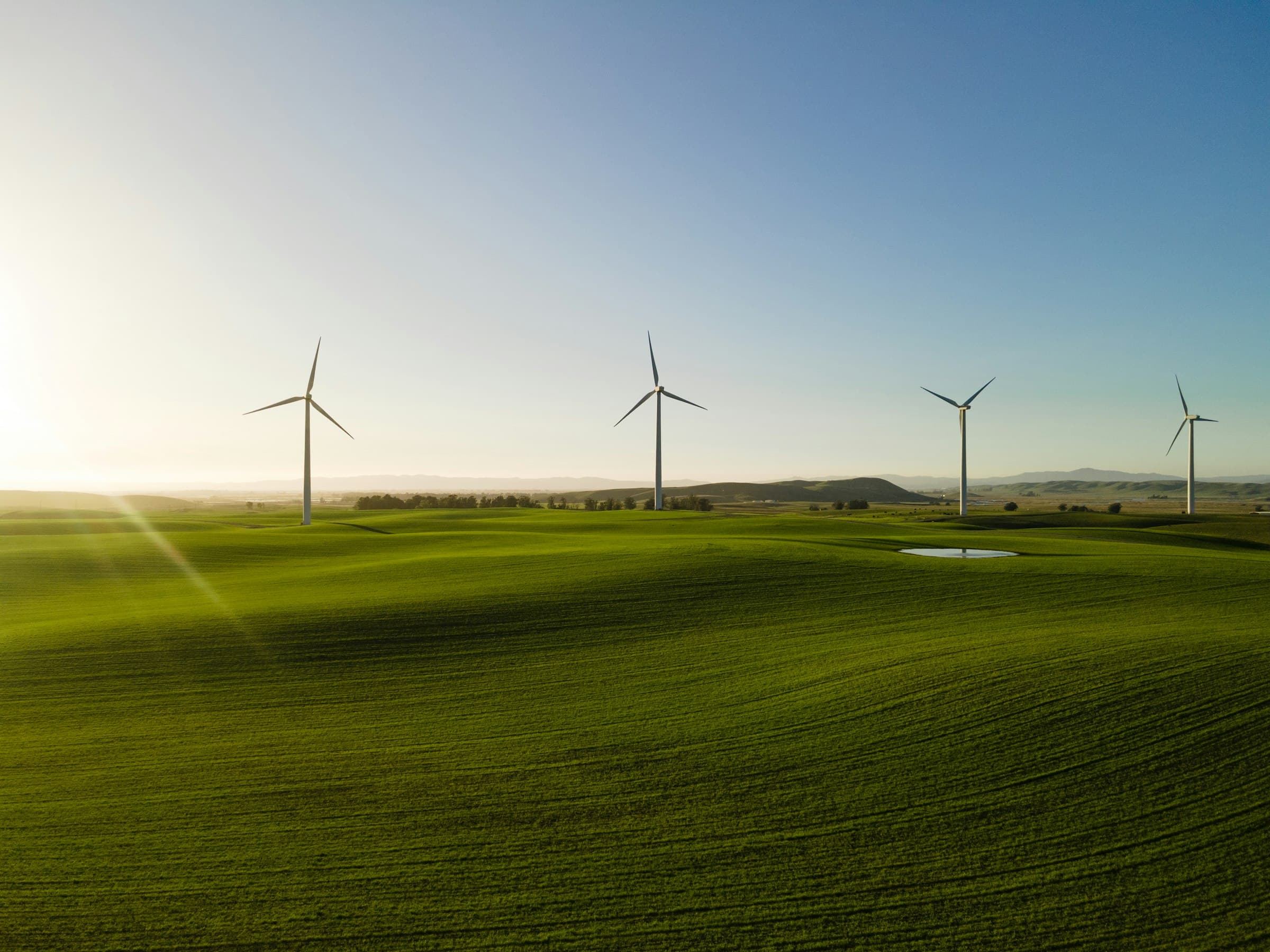
A substitute day becomes a chance to explore wind, solar, water, and food careers, and the people who do that work.
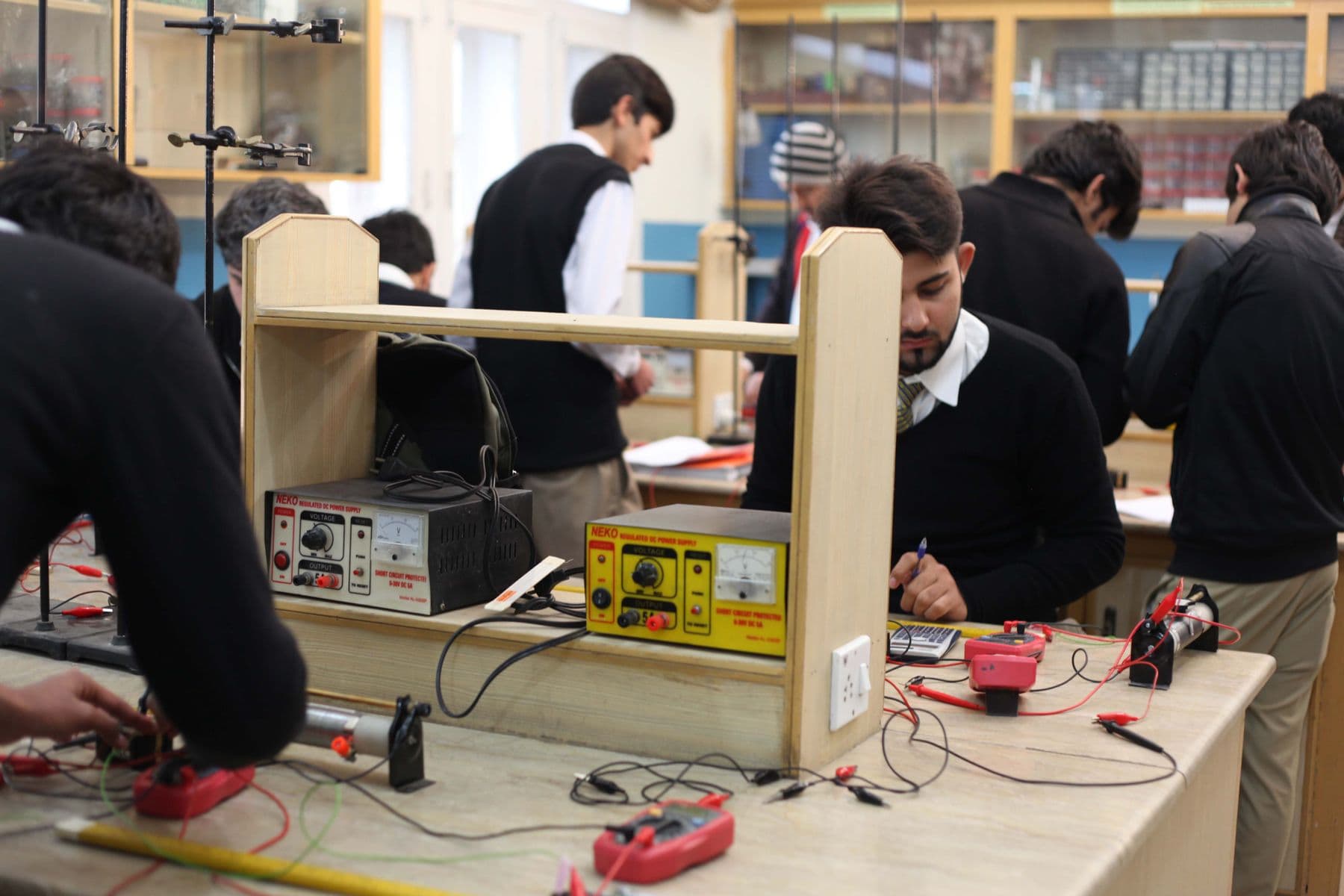
For students: in-school field trips that put their subjects to work on real energy challenges.
Substitutes choose where and when they work
Set your availability and the schools you would actually drive to. Confirm only the bookings that fit your life.
For substitute teachers: actual teaching, not babysitting.
Built with schools, starting in Minnesota
We launched with Minneapolis-area educators and every public school in the state in our directory. This is where it starts, not where it ends.
For school districts: nearly 45% report difficulty finding short-term substitute teachers, and many fill the gap by pulling teachers off prep time.4

Lessons from trusted providers
Materials from Clean Economy Educators, SubjectToClimate, Spark-Y, and Climate Interactive. Reviewed, credited, and ready for class.



How the program works
From booking a class to students exploring clean economy careers, the full path for every role lives on the How It Works page.
Let's build the clean economy together
Questions about lessons, participation, partnerships, or supporting the work are welcome. Send a message and the team will follow up.
Sources
- 1. 2026 Minnesota Climate Action Framework, Goals 4 (Clean energy) and 6 (Clean economy); Minn. Stat. § 216B.1691, subd. 2g.
- 2. 2026 Minnesota Climate Action Framework, Targets, Goal 6 Initiative 6.4, p. 14: "Add 50,000 clean economy jobs by 2035 across the state."
- 3. 2026 Minnesota Climate Action Framework, Workforce, Key takeaways 2 and 3, pp. 5-6.
- 4. Minnesota Professional Educator Licensing and Standards Board, 2025 Biennial Report: Supply and Demand of Teachers in Minnesota (November 2025), p. 50.
- 5. Liu, Loeb, and Shi, "More Than Shortages: The Unequal Distribution of Substitute Teaching," Education Finance and Policy 17, no. 2 (2022).
- 6. Minnesota Chamber Foundation, 2025 State of Business Retention and Expansion (spring 2025 survey).